
Wow! I remember the first time I nearly lost a small bag of ETH because of a sloppy extension approval. My heart dropped. Seriously, that 30-second click felt like a lifetime. Something felt off about the permissions popup, but my instinct said “just approve it” and, well, that almost cost me. I’m biased, but that fear changed how I think about browser-wallet UX and security forever.
Okay, so check this out—browser-extension wallets are the interface between you and the DeFi universe. They sit in the same runtime as other extensions, they hold your key materials (or access to them), and they often require complex contract approvals. Short of moving everything to cold storage, a lot of users lean on these wallets daily. That convenience opens attack surface. On one hand you get immediate access to tokens and DEXs; on the other, a misclick or a sly phishing site can drain an account in minutes. Initially I thought a single “approve” flow would be sufficient, but then I realized user behavior, UX design, and attacker creativity make that assumption fragile.
Here’s the thing. Most hacks are not sophisticated cryptography breaks. They exploit human patterns and small technical gaps. A malicious dApp asking for blanket approval, a compromised extension injecting scripts, or a clipboard hijack that swaps addresses—these are the real threats. Hmm… I can almost hear some readers thinking “that’s alarmist.” Fair. Though actually, when you peel back incident reports, the pattern repeats: convenience, ambiguity, and default allowances.
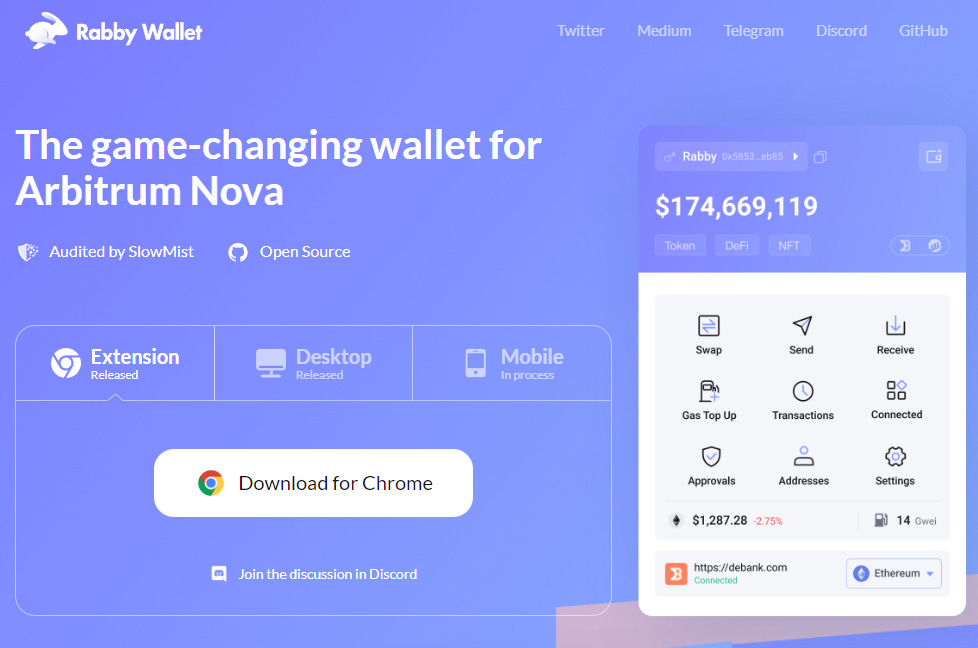
Common pitfalls with browser extension wallets
Short list. Then we’ll unpack each.
– Overbroad approvals. Many dApps ask for infinite or long-lived approvals. That’s risky. – Phishing and UI mimicry. Sites copy wallet UI and trick you into signing. – Extension supply-chain. An innocent extension update can add malicious code. – Transaction details hidden in complex calldata. You sign without seeing the real intent. – Key exposure via clipboard or memory scraping. It happens more than people expect.
Let me dive into the first two, because they matter most in day-to-day DeFi. When a token approval reads like boilerplate legalese, my gut says “nope” but you click anyway. On chain, that infinite approval is basically a standing authorization—imagine giving a stranger your credit card and telling them to “charge what you want” until you cancel. Very very dangerous. Then phishing. Attackers will craft a dApp that looks identical to the one you use, request that same approval, and drain funds on the backend. Not subtle.
Initially I thought better education alone would help. Teach users to spot infinite approvals, teach them metamask-ese. But then I tested workflows with a few friend groups and realized education reaches a limit. People want convenience. They want to swap quickly. So the wallet must shape behavior. It must throttle risk. It must present context clearly, without being annoying to the user—because if it is annoying, users will bypass safeguards.
On one hand, rigorous confirmations slow down scams. On the other hand, too many prompts drive users to automation or to less secure tools. It’s a balancing act. And this is the exact problem Rabby tackles from a product and security stance.
What Rabby does differently
I’ve used several wallets. Rabby isn’t perfect, but their approach addresses practical attack vectors in ways that are tangible to users. My instinct appreciated that immediately. They focus on three pragmatic areas: clearer transaction intent, granular approvals, and safer UX defaults.
Transaction intent: Rabby surfaces decoded calldata for common standards and shows human-readable summaries where possible. That means instead of a line of hex, you see “Approve transfer of 500 USDC to RouterX.” Nice. That alone reduces accidental approvals.
Granular approvals: Instead of only offering “approve infinite” or “approve nothing”, Rabby nudges users toward per-amount approvals and expiration-based allowances. You can set limits. That reduces blast radius if a dApp is compromised.
Safer defaults: Rabby opts for conservative defaults that block suspicious contract interactions and flag risky permits. It isolates widely-used actions into clear categories and adds friction where it matters most. I’m not 100% sure about every edge case, but overall the design choices reduce cognitive load without sacrificing safety.
I’ll be honest—some of the UI nudges annoyed me at first. They felt like extra clicks. But after a couple of near-miss tests, that annoyance turned into relief. The small delay is worth it if it prevents a multi-thousand dollar mistake, right? (oh, and by the way… your mileage will vary.)
Practical steps you can take right now
Short checklist you can apply today:
– Revoke infinite approvals. Periodically audit token allowances. – Use per-amount approvals where available. – Keep only the assets you need in your hot wallet. – Use hardware wallets for large holdings and high-value signatures. – Double-check contract addresses and dApp domains; watch for subtle typos. – Limit the number of installed extensions in your browser. Fewer extensions mean fewer attack vectors.
To make some of that easier, try a wallet that embraces these practices by default. For example, if you’re looking for a balance between safety and usability, consider a trusted extension that offers clear approval controls and transaction decoding—there are options that don’t require you to be a power user. If you want to try Rabby specifically, here’s a place to get the installer: rabby wallet download. I’ve linked it because it shows the kind of tools designed to nudge users toward safer decisions without getting in the way.
Note: always verify the official source and checksum when downloading. Scammers host fake installers. That part is on you.
Threat models and trade-offs
Not all threats are equal. Here’s how I mentally prioritize them:
1) Social engineering + phishing — high likelihood, medium impact per event, but cumulative. 2) Malicious dApp approvals — medium likelihood, high impact if infinite approvals are granted. 3) Browser/extension supply-chain — lower frequency but catastrophic when it happens. 4) Private key extraction (local device compromise) — less about wallet design, more about endpoint hygiene.
You’ll notice hardware keys show up as a consistent mitigation across models. They dramatically reduce signing risk for high-value transactions. But they introduce UX friction. On the flip side, software wallets with smart defaults—like granular approvals—work well for everyday activity. The trick is to layer defenses: use hardware for big moves, use Rabby-like guarded UX for day-to-day, and keep cold storage for the rest.
Something else bugs me: people treat wallets as interchangeable. They aren’t. Each extension has different permission models, different ways of parsing calldata, and different approaches to heuristics that flag danger. Choosing a wallet is not only about aesthetics. It’s about what the wallet forbids by default versus what it allows.
FAQ
How often should I audit token approvals?
Every month if you use many dApps; immediately if you suspect a compromise. At minimum, check before bridging or interacting with new protocols. Regular maintenance reduces attack surface.
Is Rabby compatible with hardware wallets?
Yes, Rabby supports common hardware devices for high-trust transactions, which blends convenience and security. Pairing a hardware key for large approvals is a solid practice.
What if I already approved infinite allowances?
Revoke or set allowances to zero and re-approve per-amount where needed. Many token explorers and wallet dashboards let you revoke permissions; do it now, don’t wait.

